

HUIT Successfully Hosts the Semifinal Round of the 28th Euréka Student Scientific Research Awards 2026 in Economics, Featuring Development Economics and Banking and Finance Panels
On November 2, 2026, Ho Chi Minh City University of Industry and Trade (HUIT), in coordination with the Center for Science and Technology Development for Youth, successfully hosted the Semifinal Round of the 28th Euréka Student Scientific Research Awards 2026 in Economics. The round featured two panels: Development Economics and Banking and Finance.
The event welcomed scientists, experts, lecturers and students from higher education institutions, creating a vibrant academic setting where research ideas could be shared and the spirit of innovation fostered among young intellectuals.
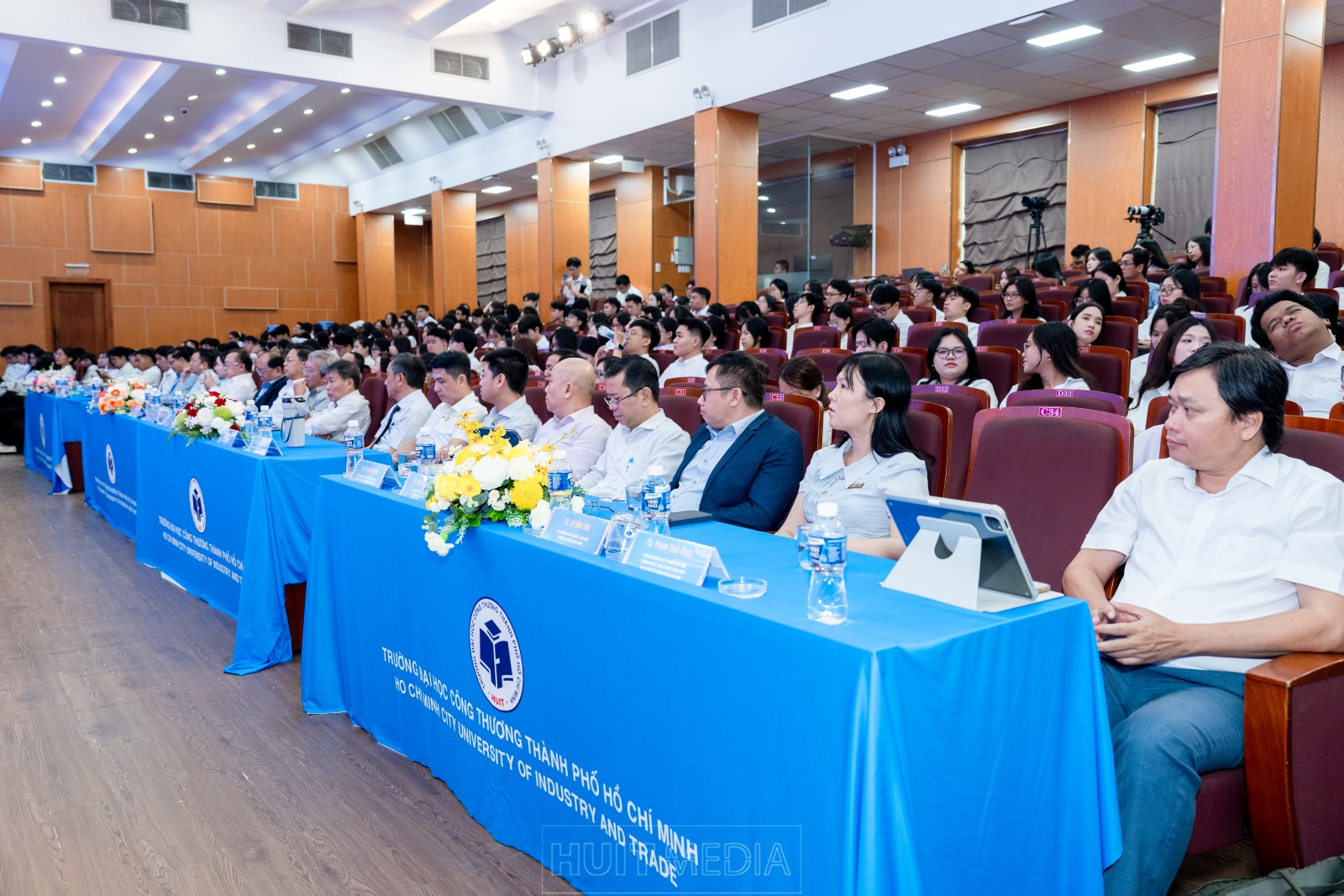
Overview of the Opening Ceremony of the Semifinal Round of the 28th Euréka Student Scientific Research Awards 2026 in Economics at Ho Chi Minh City University of Industry and Trade
The Euréka Student Scientific Research Awards is an annual program jointly organized by the Ho Chi Minh City Department of Science and Technology, the Ho Chi Minh City Communist Youth Union and Vietnam National University Ho Chi Minh City. The Center for Science and Technology Development for Youth serves as the standing body of the Organizing Committee. Over 27 editions, the awards have established themselves as a reputable nationwide academic platform for students, helping identify and nurture young research talent while promoting scientific research, innovation and the practical application of knowledge.
The event was attended by Dr. Phan Xuân Cường, Deputy Secretary of HUIT’s Party Committee, and Dr. Thái Doãn Thanh, HUIT Vice President. Representing the Center for Science and Technology Development for Youth was Ms. Nguyễn Thị Ái Trúc, its Deputy Director. The judging panel was represented by Prof. Dr. Nguyễn Minh Đức, Rector of Văn Hiến University and Head of the Development Economics panel, and Assoc. Prof. Dr. Lê Quang Đạo, Vice President of the University of Finance – Marketing and Head of the Banking and Finance panel. Experts, scientists serving on the judging panel, faculty advisors and contestants also attended.
Building on the success of previous editions, the 28th Euréka Awards continued to expand its reach, attracting 2,178 research projects from 161 universities, colleges and academies nationwide. HUIT contributed 94 research projects across 12 fields: Information Technology (13 projects); Food Technology (11); Economics (10); Social Sciences (10); Chemistry (10); Culture and the Arts (9); Engineering and Technology (8); Agricultural Sciences (6); Administration and Law (5); Education Sciences (5); Natural Resources and the Environment (4); and Biology (3).
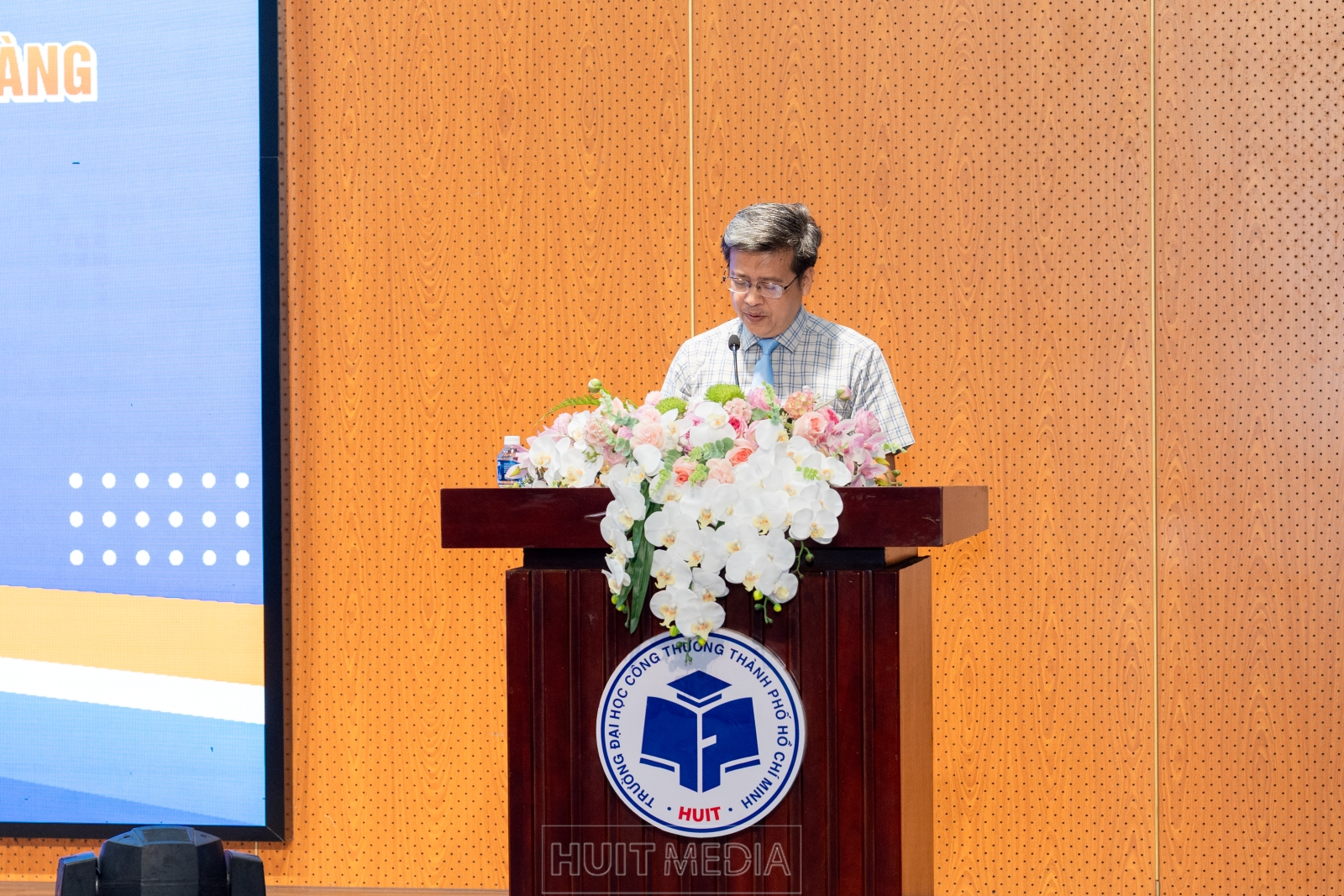
Dr. Thái Doãn Thanh, Vice President of Ho Chi Minh City University of Industry and Trade, delivers the opening remarks
In his remarks, Dr. Thái Doãn Thanh emphasized that as Vietnam accelerates the development of science and technology, innovation and digital transformation, student research plays an increasingly important role in developing independent thinking, problem-solving skills and the ability to adapt to society’s changing demands. In Economics in particular, research ideas and findings with practical value can inform appropriate solutions and contribute to sustainable socioeconomic development.
In line with this vision, HUIT identifies scientific research and innovation as key priorities closely connected to improving the quality of education and developing human resources. The University encourages and supports students in taking an active role in research, nurturing their passion for discovery and creativity, and applying knowledge in practice.
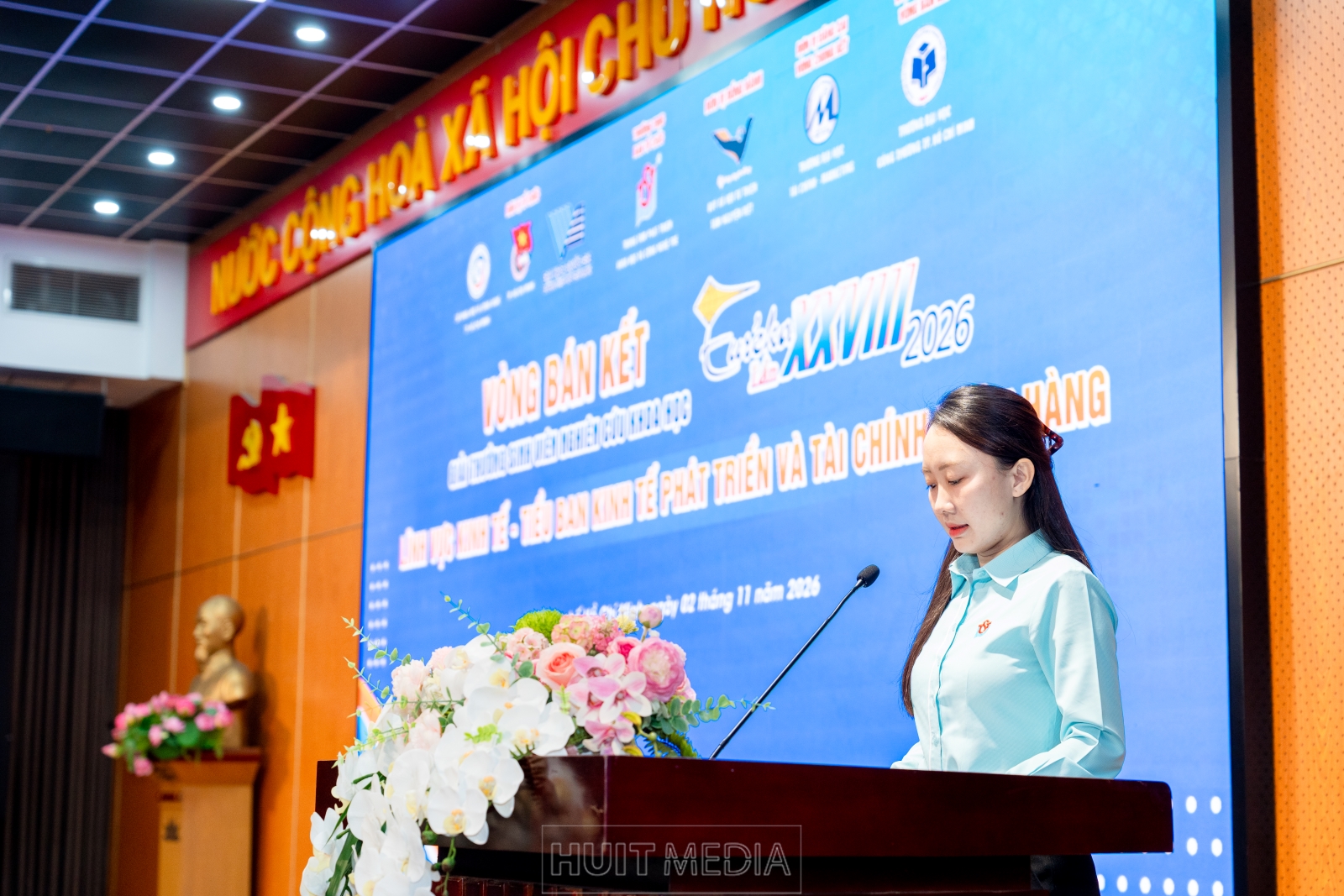
Ms. Nguyễn Thị Ái Trúc, Deputy Director of the Center for Science and Technology Development for Youth, speaks at the Opening Ceremony
Ms. Nguyễn Thị Ái Trúc then welcomed the contestants and guests. She highlighted the importance of the Euréka Student Scientific Research Awards in creating a dynamic academic environment where students can gain experience, learn from one another and develop creative ideas with strong potential for practical application.
A highlight of the program was the evaluation and academic review of projects by the Development Economics and Banking and Finance panels, which brought together experienced experts and scientists with in-depth knowledge of Economics. At the Opening Ceremony, the Organizing Committee presented flowers and commemorative gifts to thank the lecturers, experts and scientists for their support and contributions to the evaluation and selection of student research projects.
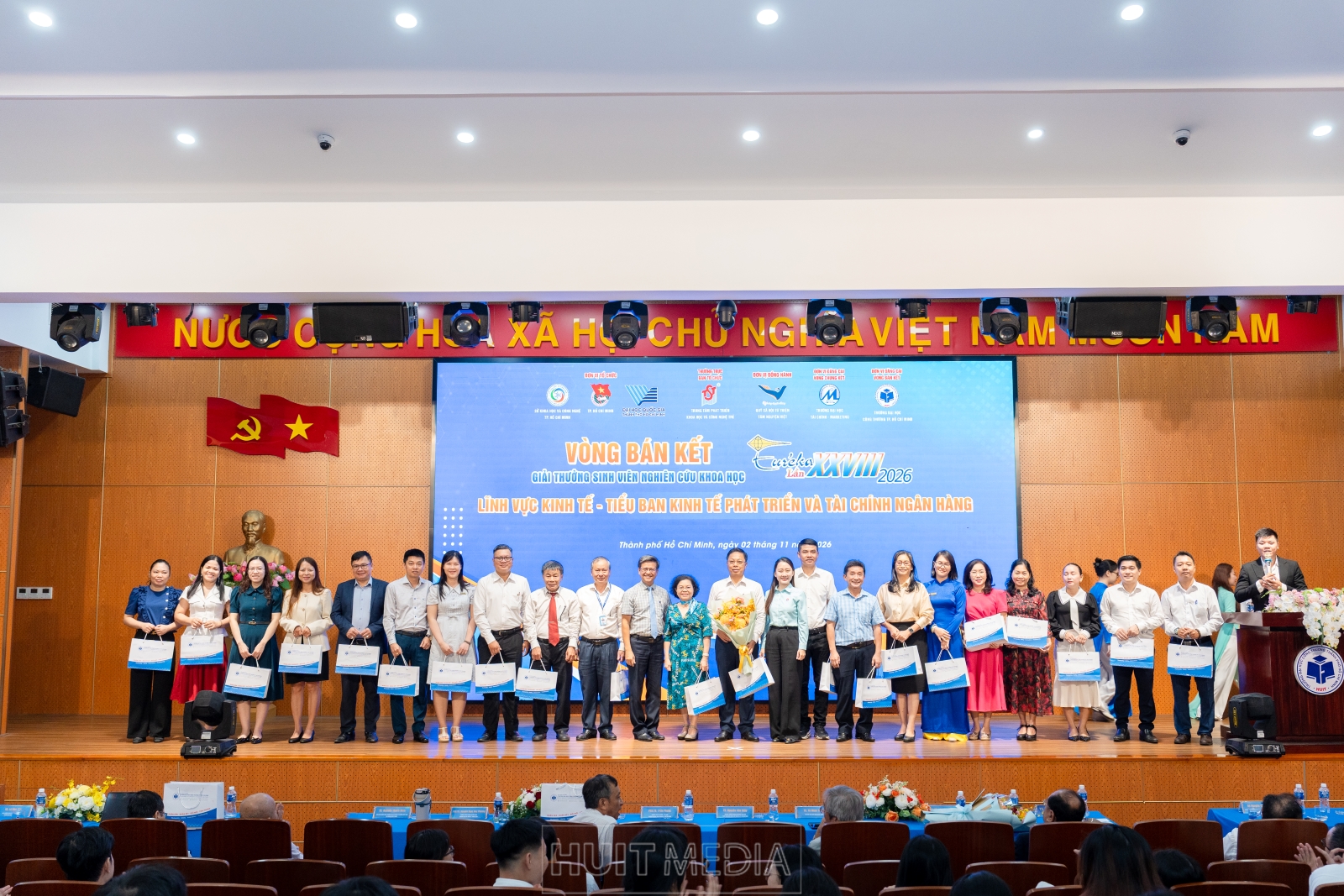
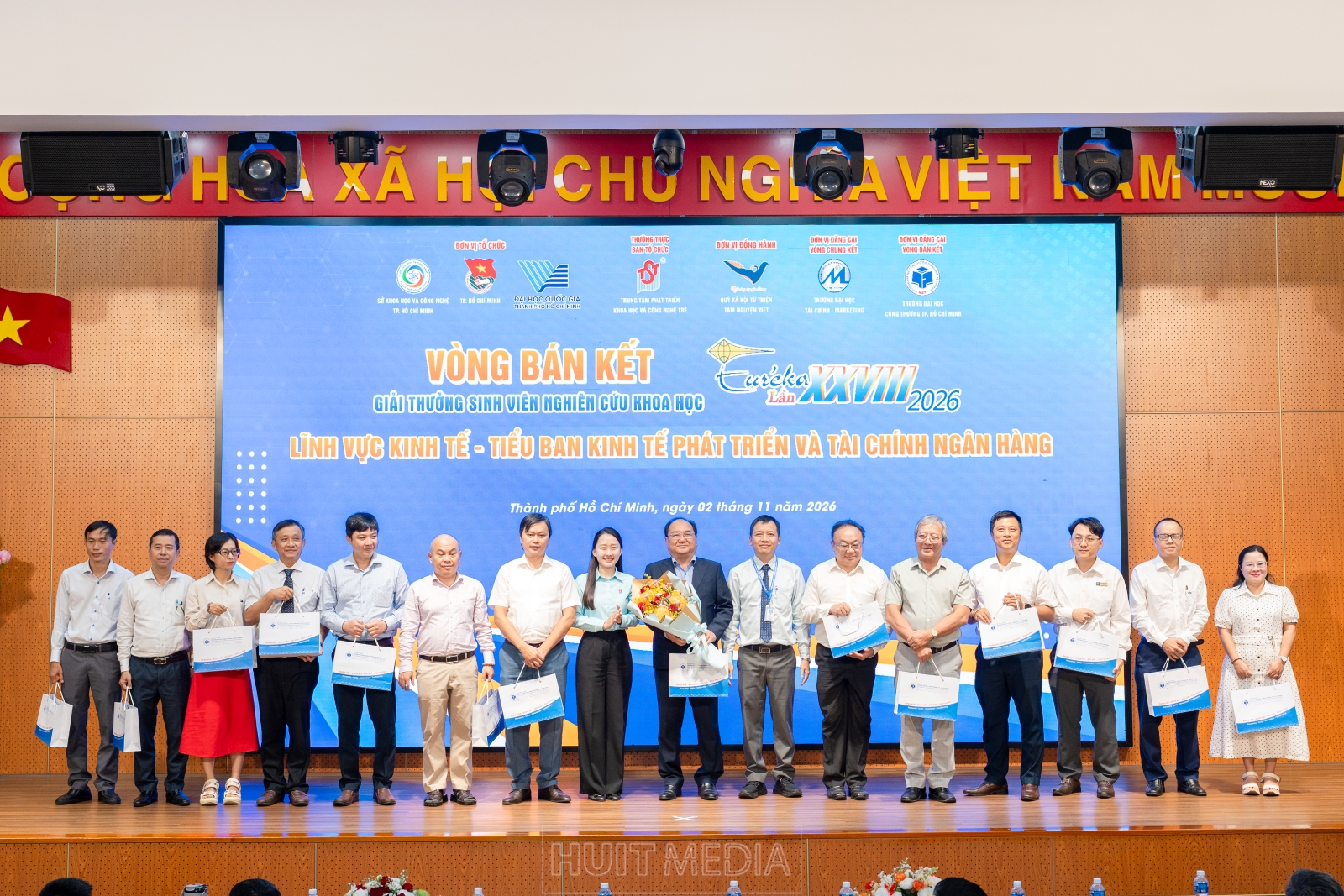
The Organizing Committee presents flowers and commemorative gifts to thank the judging panel for the Economics Semifinal Round
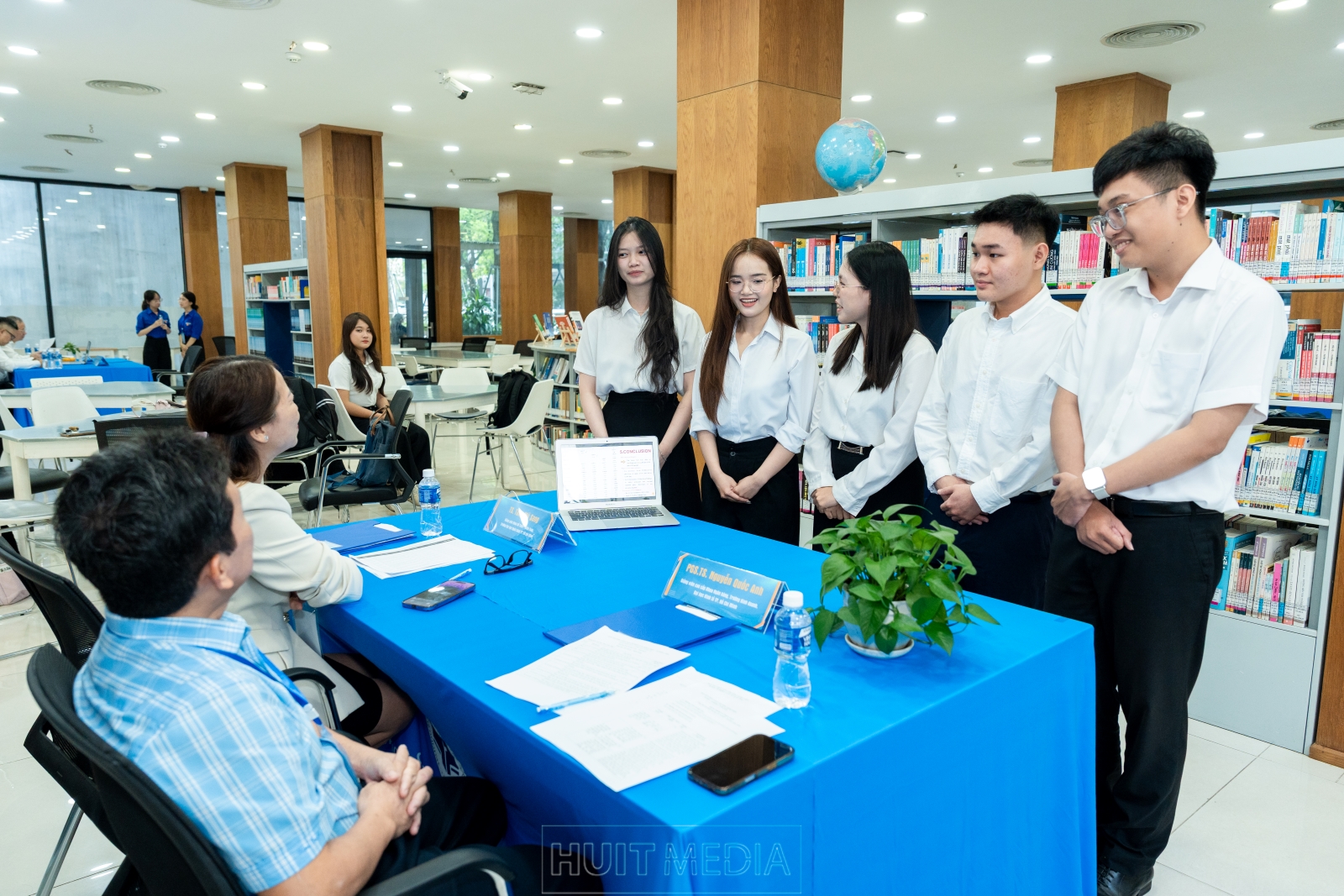
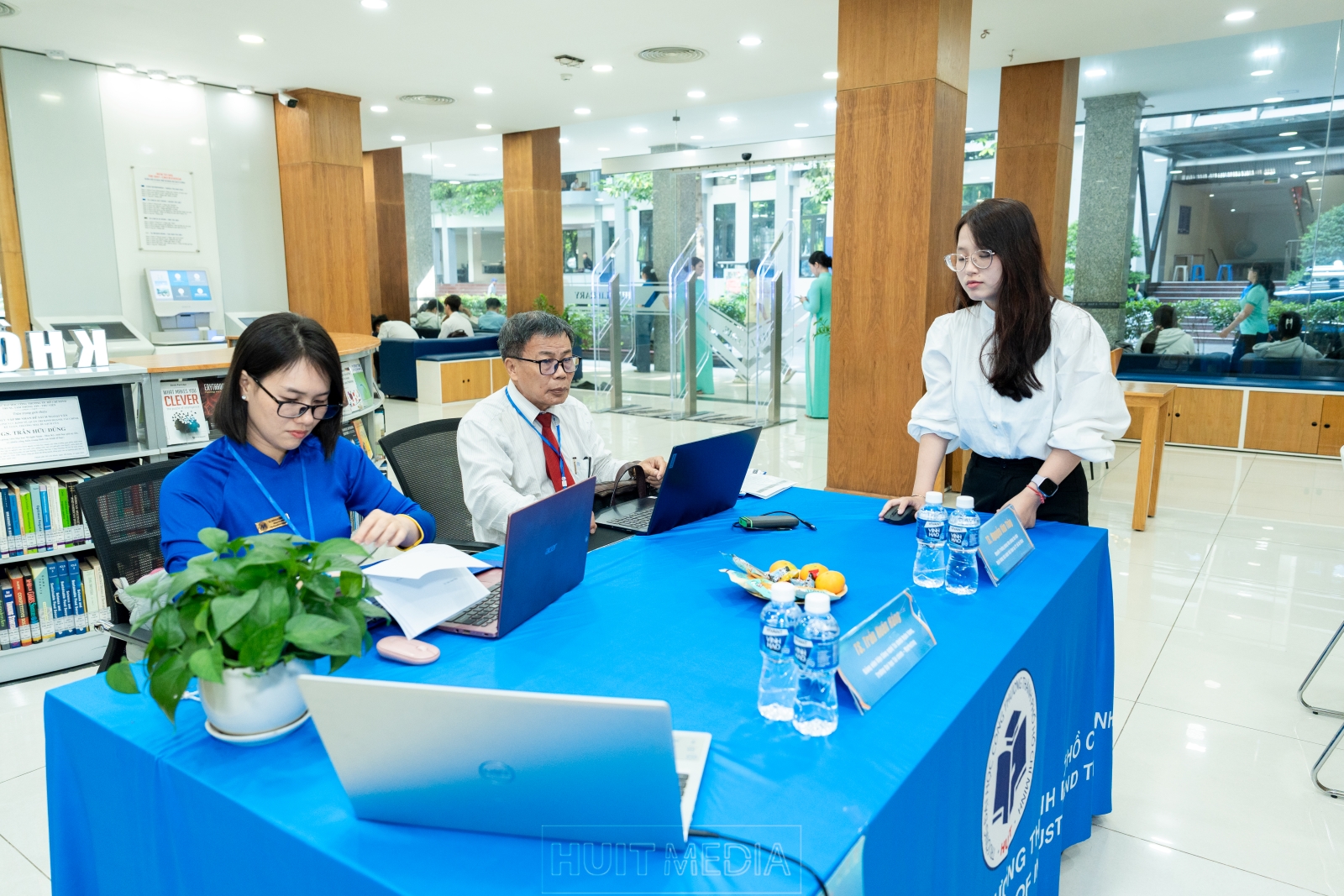
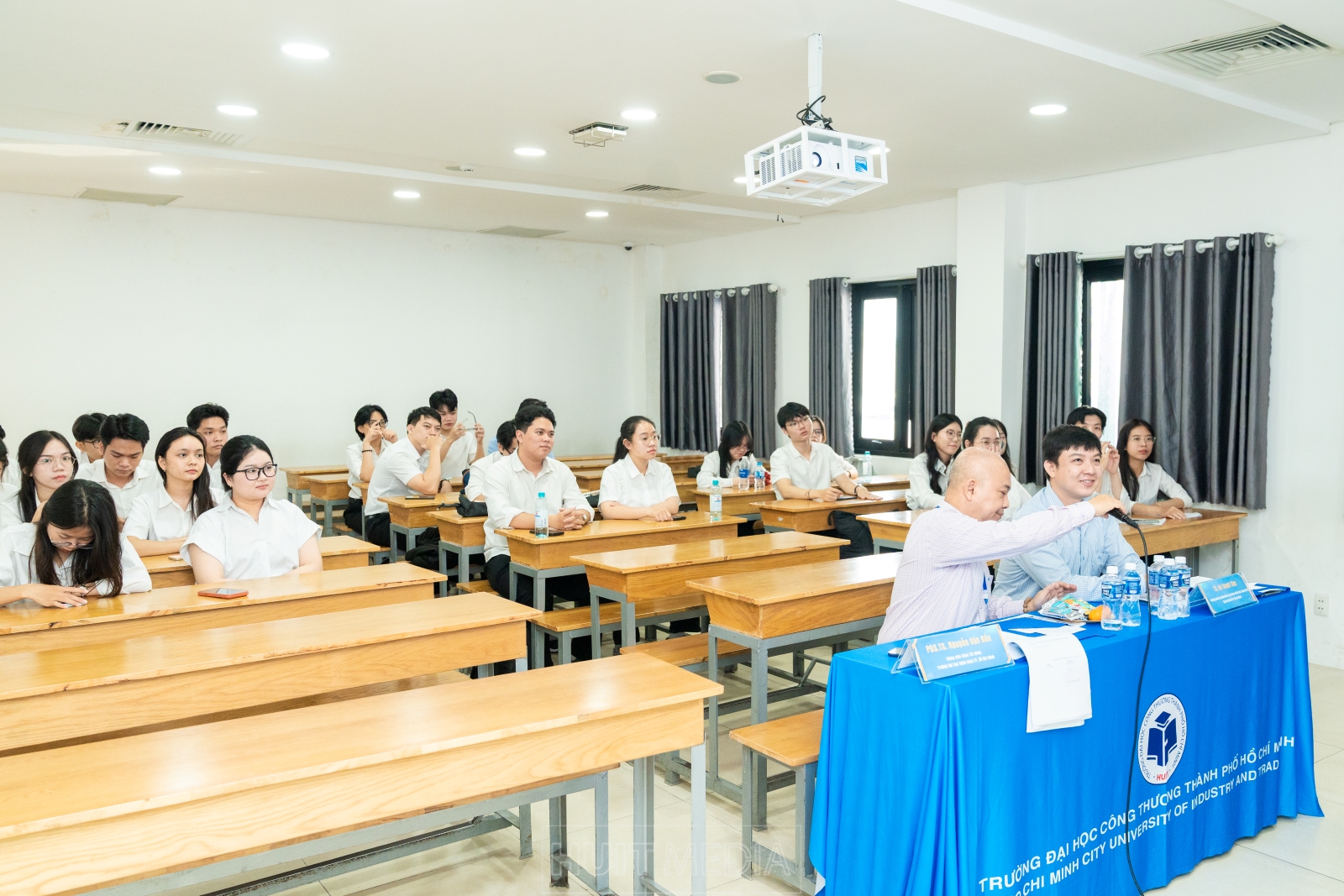
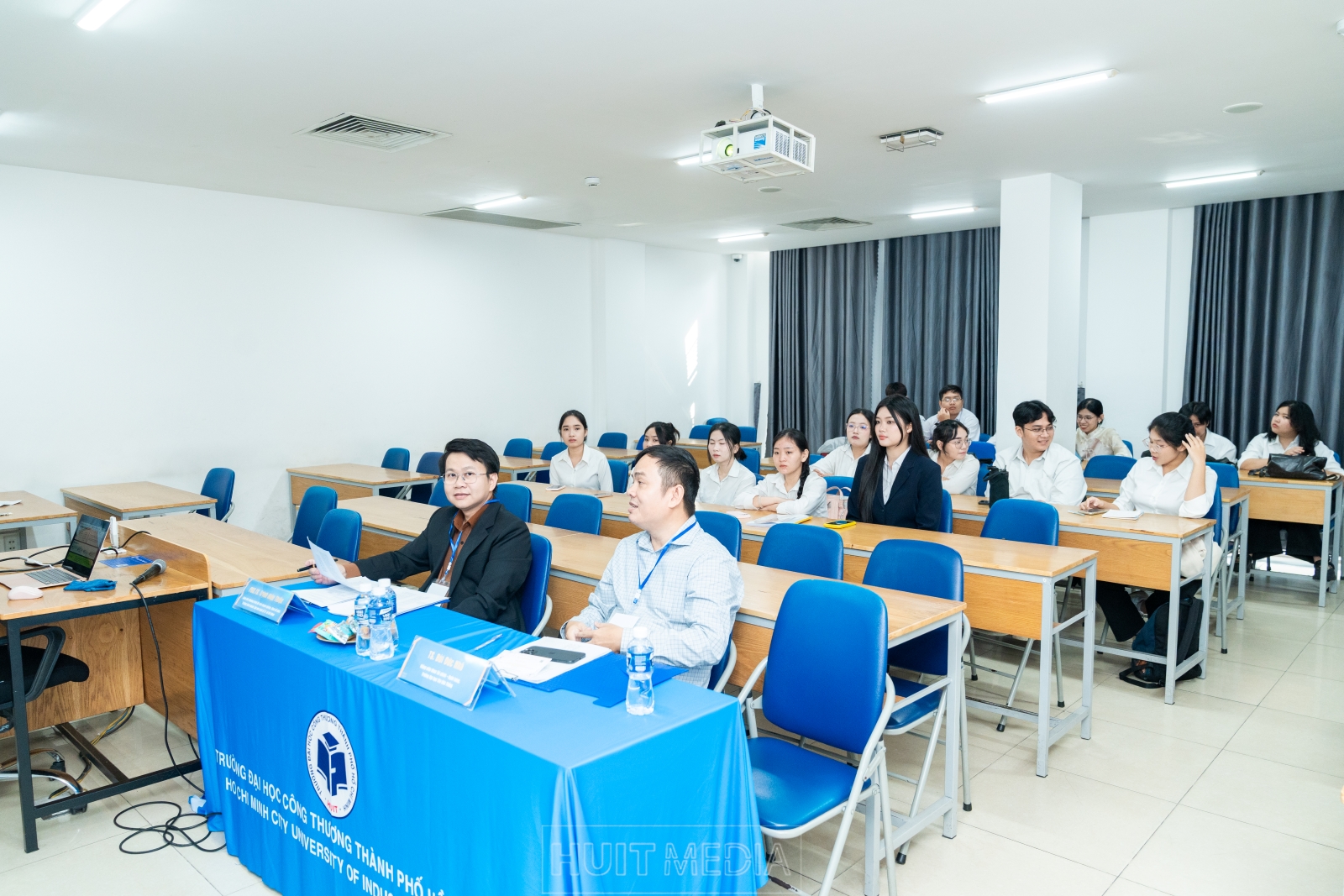
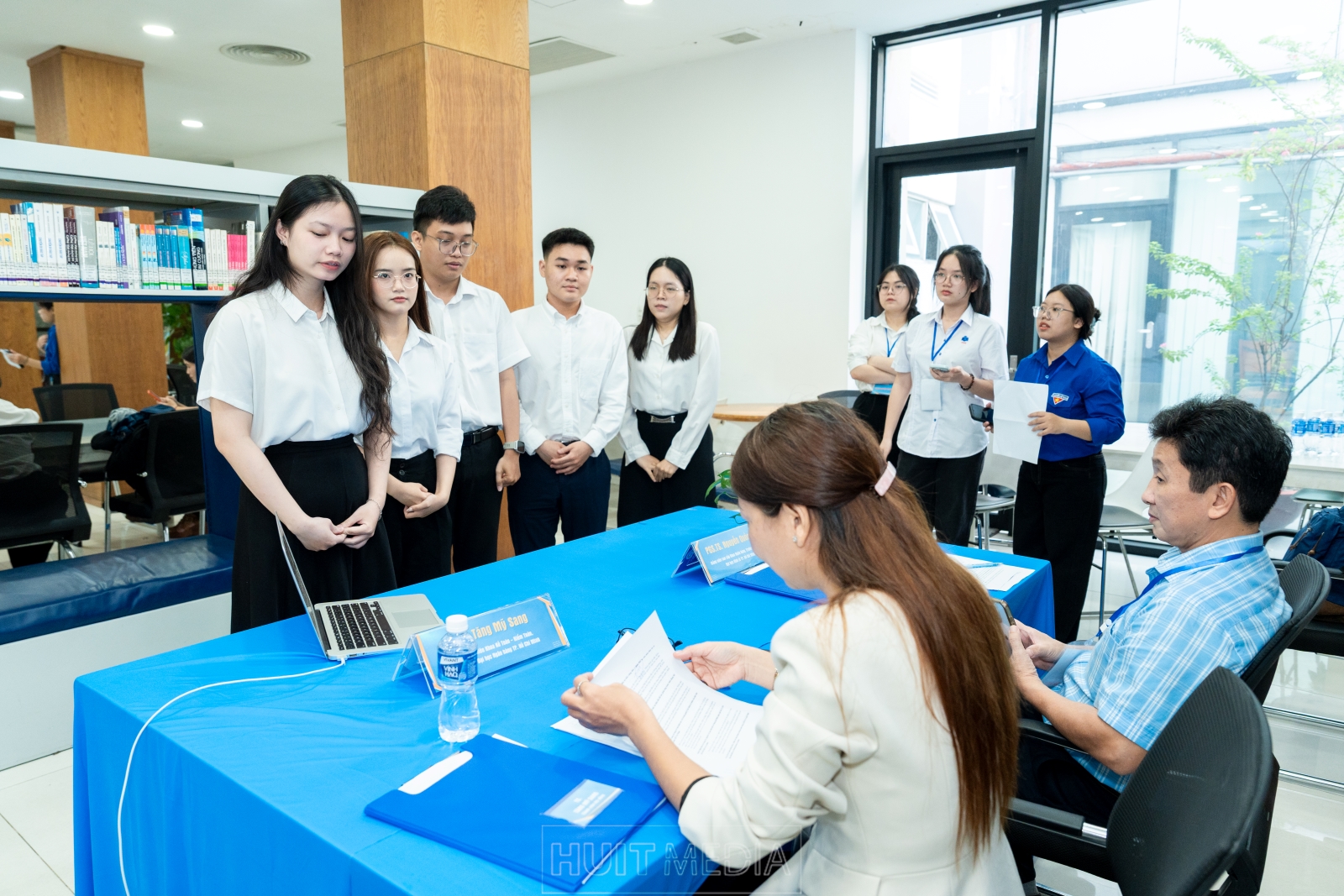
Following the Opening Ceremony, contestants began presenting their projects to the panels. In a focused academic setting, teams presented their research ideas, approaches, findings and contributions to the judging panel. The Semifinal Round gave students a chance to demonstrate their knowledge and research abilities while strengthening their presentation and critical-thinking skills, defending their academic perspectives and receiving expert feedback. These exchanges also helped contestants assess and refine their projects as they worked toward research outcomes with scientific value and practical applications.
 |
 |
 |
 |
 |
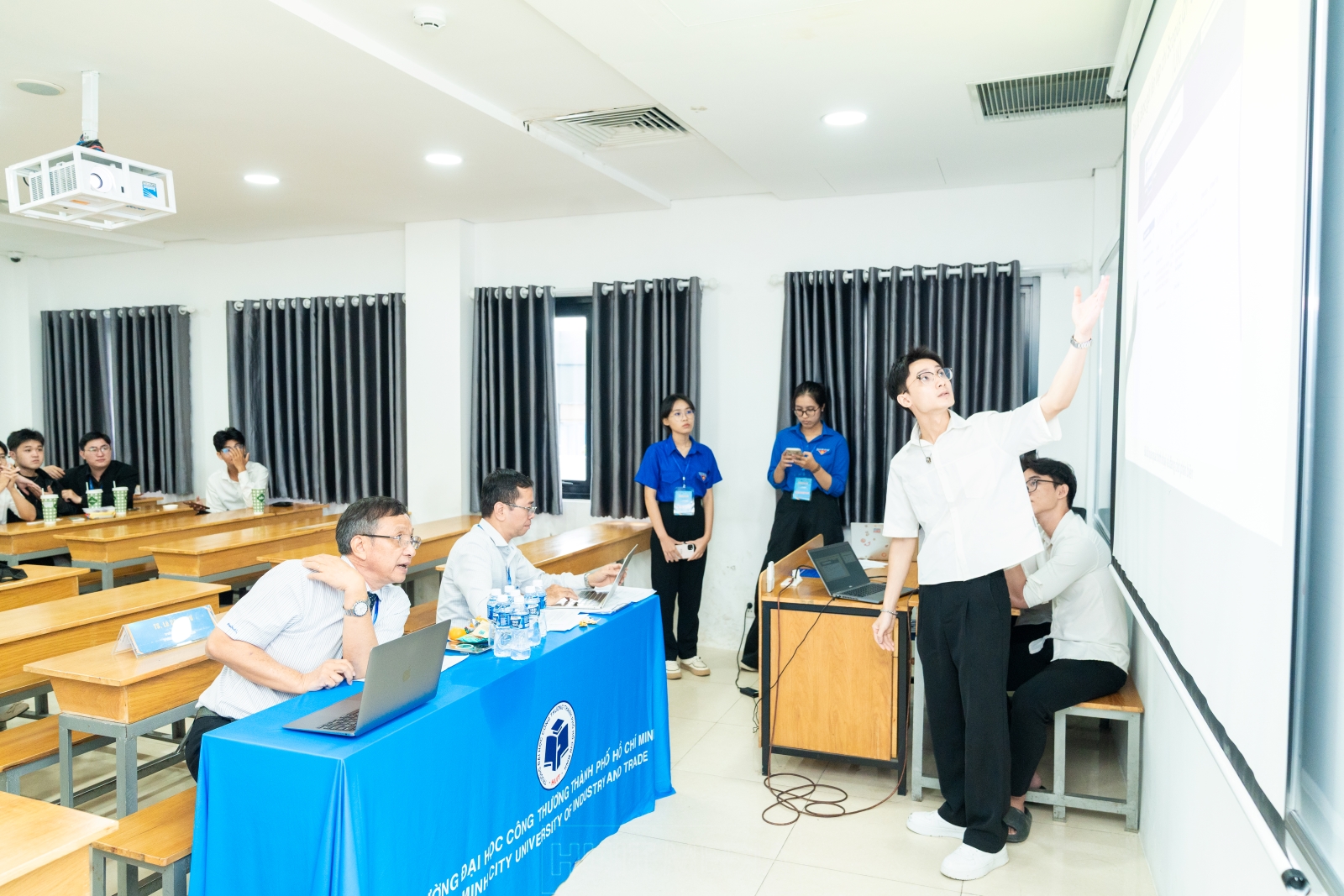 |
Contestants present and defend their research projects before the judging panel at the Semifinal Round
Working with professionalism, objectivity and a strong sense of responsibility, the judging panel evaluated the submitted projects and selected high-quality research to advance to the Awards’ Final Round.
The Semifinal Round of the 28th Euréka Student Scientific Research Awards 2026 in Economics, featuring the Development Economics and Banking and Finance panels at HUIT, concluded successfully. It left a positive impression through its organization and the opportunities it created for academic exchange. The event’s success reaffirmed HUIT’s commitment to supporting student research and strengthening connections among higher education institutions and the scientific community. It also helped build a dynamic academic environment, inspire a passion for research and nurture the creative aspirations of young people.
Admissions and Communications Center